Sugar in Disguise: Reading UK Snack Labels Before Your Teeth Pay
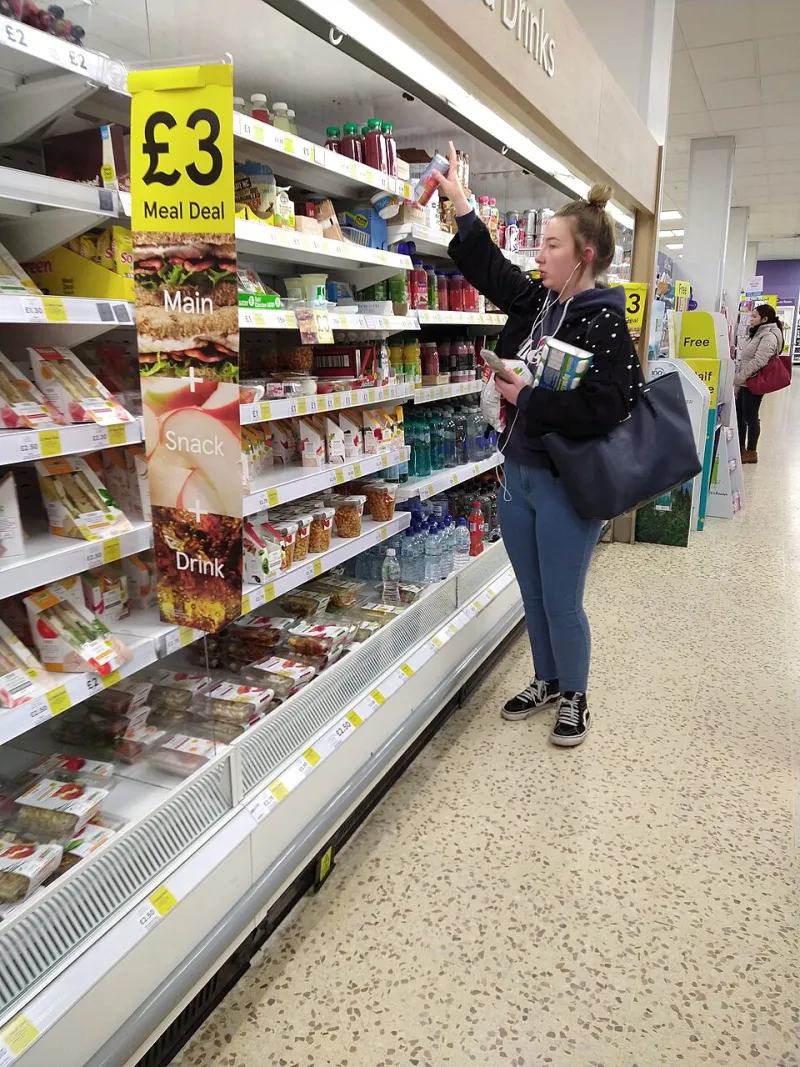
Photo: Philafrenzy, CC BY-SA 4.0, via Wikimedia Commons
Four o'clock arrives, the brain wants a reward and the cupboard offers a cereal bar with a picture of oats on the front. At Battle Road Dental, we are not anti-snack. But labels can make a chewy fruit bar sound like a health food while your teeth experience something closer to a prolonged acid bath. Here is how to read between the claims.
Why frequency matters as much as quantity
Your mouth does not just count grams of sugar. It counts exposure. When you eat or drink something sugary or acidic, bacteria in plaque produce acid that softens enamel for roughly 20 to 30 minutes. Graze all afternoon, or sip a fizzy drink over an hour, and the acid attacks keep restarting. A single pudding eaten with a meal is often kinder to teeth than three 'healthy' snacks nibbled at your desk.
The 'no added sugar' illusion
'No added sugar' means no sugar has been added during manufacture. It does not mean the product is low in sugar, and it certainly does not mean it is tooth-friendly. A bar packed with dates, raisins and fruit juice concentrate can still deliver plenty of sugar, in a sticky form that clings to teeth. The same goes for 'natural', 'fruit-sweetened' and 'made with real fruit'. Sugar is sugar to the plaque on your teeth, whatever the origin story.
Check the label like a detective
- Read the ingredients, not just the front. Ingredients are listed by weight. If glucose syrup, fruit juice concentrate, honey, malt extract or dried fruit appear near the top, treat the snack as a sugar source.
- Look at 'of which sugars' per 100g and per portion. A small portion can disguise a big number. In the UK, front-of-pack traffic lights can help: red for sugar means high (more than 22.5g per 100g for food, or 11.25g per 100ml for drinks); green means low. But portion size still matters.
- Check for acid. Ingredients such as citric acid, phosphoric acid and malic acid add tartness – and acid erosion risk. Carbonated drinks are often acidic even when sugar-free.
- Think about texture. Sticky dried fruit, syrup-coated cereal and slow-sipped drinks keep sugar and acid against teeth for longer.
Common traps in the trolley
Cereal bars marketed as 'fruit and fibre' often combine dried fruit, glucose syrup and honey in a chewy package. Dried fruit in lunchboxes is convenient, but raisins and apricots are sticky and concentrated. Flavoured yoghurts can carry fruit compotes and syrups; plain yoghurt with fresh berries is often a better bet. Fizzy drinks – including diet versions – are acidic, and sipping them all afternoon is hard on enamel. Smoothies and juices can be sugary and acidic even when they count towards your five-a-day.
Swaps that do not feel like punishment
- Plain yoghurt with chopped fresh fruit instead of fruit-corner pots.
- A whole apple or pear instead of dried fruit leather.
- Cheese cubes, plain nuts or hummus with veg for a savoury 4pm option.
- Water or unsweetened tea instead of a slow-sipped fizzy drink.
- Keep sugary treats to mealtimes where possible, and rinse with water afterwards rather than brushing straight away – enamel is softened after acid, so wait about 30 minutes.
A simple shopping checklist
Before a snack goes in the trolley, ask: is sugar near the top of the ingredients? How big is the realistic portion? Is it sticky or sipped slowly? Does it contain acid? Could I eat it with a meal rather than alone? You do not need a perfect diet. You need fewer acid hits and more awareness. Your teeth will notice the difference.