The Sip-Sip Cycle: Why Constant Drinking Keeps Your Teeth Busy — and How to Ease Off
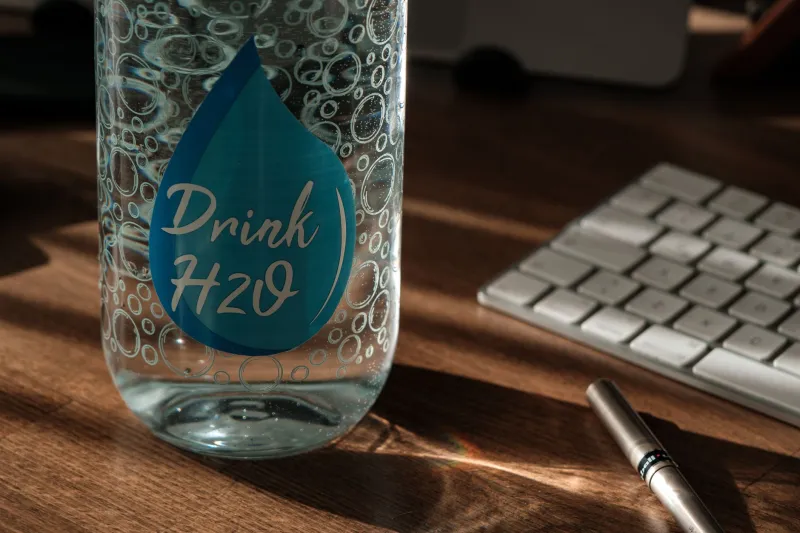
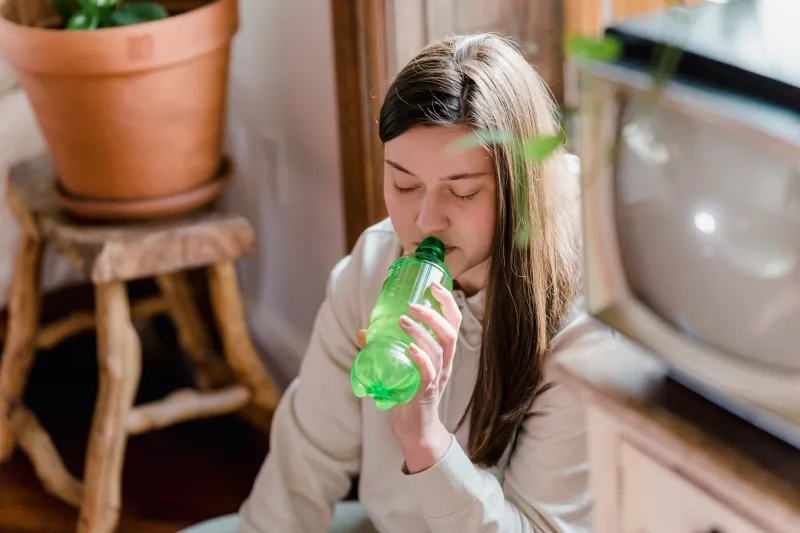
There is a very modern habit sitting on many UK desks: the reusable bottle, filled at 8am and sipped from until home time. It looks virtuous. It is often better than a can of pop. But your teeth do not read the label on the bottle. They respond to what arrives in your mouth, how acidic or sugary it is, and — crucially — how often it happens.
This is not a lecture about giving up squash, tea or fizzy water. It is about rhythm. Because when you sip every few minutes, your mouth rarely gets the quiet spell it needs to recover.
The acid bath is less dramatic than it sounds
When we eat or drink, mouth bacteria feed on sugars and produce acid. Acidic drinks add their own acid into the mix. For a while, enamel is softer and more vulnerable. Saliva then goes to work: washing away bits of food and drink, neutralising acid and helping minerals return to the tooth surface.
That recovery takes time. If you have a cup of tea, then a sip of squash twenty minutes later, then another sip of something fizzy, then a swig from the bottle, the mouth keeps being nudged back into an acidic state. The total volume might be small. The frequency is the problem.
Think of it like a door that keeps being opened just as it was about to close. The occasional open door is fine. A door flapping all day is tiring for everyone involved.
Saliva: the quiet clean-up crew
Saliva does not get enough credit. It lubricates, rinses and carries minerals that help repair early damage. When saliva flow is low — because of medicines, stress, breathing through the mouth or simply not drinking enough — teeth have a harder time coping.
Here is the awkward bit: constant sipping can feel like a way to keep a dry mouth comfortable, but if the drink is sugary or acidic, you may be trading one problem for another. Plain water is the obvious ally here. If you have persistent dry mouth, mention it at your next check-up rather than trying to solve it entirely with flavoured drinks.
Sugar-free is not acid-free
This is where lots of sensible people get caught out. Diet cola, no-added-sugar squash, flavoured water, fruit teas and citrus drinks can all be acidic. Some contain citric acid or phosphoric acid. They may not feed bacteria in the same way as sugar, but they can still create repeated acid exposure.
Plain still water is neutral and is the easiest everyday choice. Plain sparkling water is generally less harmful than sugary soft drinks, but it is not neutral — carbon dioxide makes it mildly acidic — and constant sipping still means repeated acid contact. It is a better option than many alternatives, not a free pass.
Tea and coffee without sugar are not the villains of the piece, but a mug that is topped up and sipped for three hours is a different habit from finishing a drink with a meal. Milk contains lactose, and added sugar matters. If you take sugar, the frequency question becomes even more relevant.
The working-day sip audit
You do not need an app. Just notice your pattern for one ordinary day. When does the bottle get refilled? Do you sip between tasks? Is there a mid-afternoon squash habit that has become invisible?
A few practical shifts can make a real difference:
- Group drinks around meals and breaks. Have your tea, squash or fizzy drink with lunch, then switch to plain water afterwards. Finish the drink rather than stretching it out for hours.
- Keep the desk bottle for plain water. If your bottle is for water only, you can sip it without the same acid worry. Save flavoured drinks for sit-down moments.
- Rinse with plain water. After something acidic or sugary, take a swig of water and swill it around. It is a small reset, not a full clean.
- Wait before brushing. After acidic food or drink, give it around 30 minutes before brushing. Brushing softened enamel straight away is not kind to it.
- Use sugar-free gum after meals if it suits you. Chewing gum stimulates saliva, which helps the mouth recover. It is not a substitute for brushing, but it is a useful extra.
- Do not make the last sip of the day a sugary or acidic one. Water after your final drink is a simple way to end the day on better terms.
A gentler way to break the habit
Going cold turkey with a beloved routine rarely works. Try swapping every other sip to water. Use a smaller cup so the tea actually finishes. Put the bottle slightly out of reach so you have to make a choice rather than sip on autopilot. If you like flavour, try plain water with cucumber or mint rather than a constant squeeze of lemon — citrus is acidic, and all-day lemon water is not the harmless habit it is sometimes made out to be.
Straws can reduce contact between a drink and the teeth, but they are not a licence to sip all day. The timing still matters.
The bigger picture
None of this means you must never enjoy a drink at your desk. It means your teeth benefit from pauses. A mouth that gets quiet windows can do its own maintenance. A mouth that is constantly wet with something acidic or sugary has less chance to catch up.
At Battle Road Dental, we would much rather help you find a workable rhythm than deliver a telling-off. If you have sensitivity, wear around the gum line or a dry mouth that will not settle, bring it to your check-up. Sometimes the most useful dental advice is not about cutting something out entirely — it is about changing when, and how often, you have it.