Coffee, Connections and the 08:15: Looking After Your Teeth on the Daily Commute
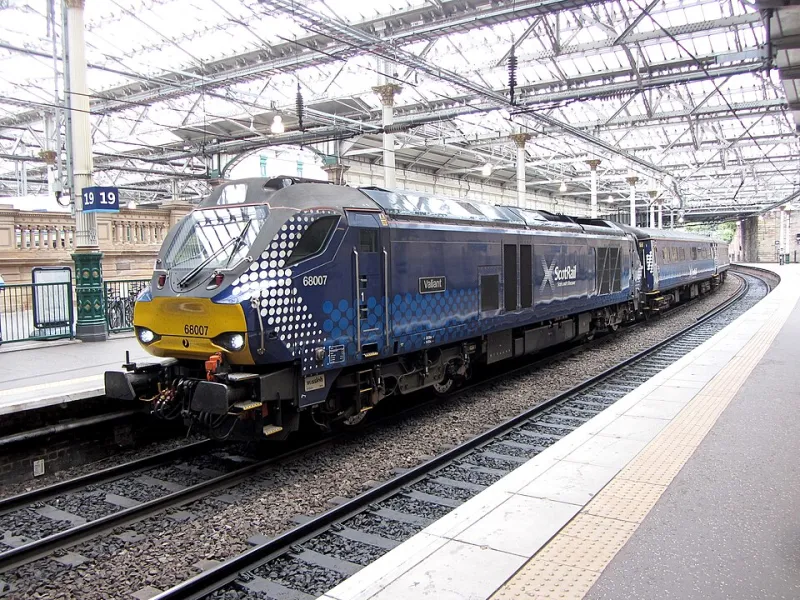
Photo: Gareth James , CC BY-SA 2.0, via Wikimedia Commons
The commute is a habit, not a moral test
Most of us do not choose our commute so much as inherit it. The same platform, the same carriage, the same slightly sad coffee at the same kiosk. And because it happens five days a week, the small things we do on autopilot — the juice carton, the bag of sweets for the delayed train, the third coffee before 10am — start to add up.
This is not a lecture. At Battle Road Dental, we are more interested in what actually works on a wet Tuesday morning than in a perfect routine that lasts until Thursday. So think of this as a field guide: small, realistic adjustments for the space between your front door and your desk.
What the morning actually does to your mouth
Your mouth starts the day drier and more acidic than usual. That is normal. Saliva flow slows overnight, which is why morning breath exists and why your teeth can feel a bit fuzzy. Add a rushed breakfast, a sharp coffee and a commute where you cannot easily rinse your mouth, and your teeth spend a fair chunk of the morning in a mildly acidic environment.
None of that is a disaster. But it does explain why a little water, a little chewing and a little planning can make the morning feel less like an assault course for your enamel.
A five-minute routine that fits a five-minute platform wait
You do not need a bathroom cabinet full of gadgets. You need a sequence you can repeat without thinking.
- Brush before you leave, or after breakfast — not both. Two minutes with a fluoride toothpaste is the baseline. Spit, do not rinse, so the fluoride stays on your teeth. If breakfast is acidic — fruit, juice, yoghurt — either brush before you eat or wait around half an hour afterwards. Brushing straight after acidic food can wear at softened enamel.
- Drink water before the coffee. A glass at home and a bottle in your bag is enough. It helps rinse the mouth and keeps saliva flowing.
- Chew sugar-free gum after snacks, not instead of brushing. It is a useful bridge when you cannot brush, especially after a station pastry.
- Keep the grazing to a sitting. Constant sipping and nibbling keeps your mouth acidic. A coffee and a snack together is kinder than a coffee, then a biscuit, then a mint, then another coffee.
- Rinse with water after lunch. You do not need a full brushing session at your desk. Water and a few minutes of chewing gum go a long way.
The tiny bag kit — small enough to forget you own it
A commute kit should fit in the pocket of a rucksack or the side of a handbag. Ours would include:
- a compact toothbrush and a small fluoride toothpaste, if you sometimes brush at work;
- interdental brushes or floss picks, because the gaps between teeth are where commuter snacks linger;
- sugar-free gum, ideally with xylitol;
- a small water bottle you actually refill;
- a folded note in your phone reminding you to book your next check-up — less glamorous, more useful than it sounds.
You do not need to use every item every day. The kit is there for the days when the 08:15 turns into the 08:52 and your best-laid plans disappear.
Train, bus, bike or car: small adjustments by mode
Train and Tube. The main risk is grazing. A meal deal eaten across three connections is more harmful than the same food eaten in one sitting. Keep water handy, finish snacks in one go, and use sugar-free gum afterwards. If you are a coffee sipper, try not to spend the whole journey taking tiny sips — your teeth prefer a drink, not a marathon.
Bus. Similar rules, but with less elbow room. A water bottle and a pack of sugar-free gum are about as much as you can manage. If you are prone to motion sickness and suck on sweets, choose sugar-free ones and keep them to the journey, not the whole morning.
Cycling. Mouth-breathing on a cold morning dries the mouth, and clenching your jaw on a hill can leave your teeth feeling tender. Keep hydrated, avoid energy drinks as a default, and if you notice jaw ache or headaches after rides, mention it at your next check-up. A well-fitted mouthguard is sometimes useful for sport, but that is a conversation for the chair, not the cycle lane.
Driving. The cup holder is a trap. A large milky coffee sipped over an hour is a lot of sugar and acid hanging around your teeth. If you need the coffee, drink it in a shorter window, follow with water, and keep the sugary snacks in the glovebox for emergencies rather than the daily drive.
The station snack dilemma
Station food is not evil. It is just designed to be quick, salty, sweet and shelf-stable. If you are choosing between options, think about texture and timing: a cheese sandwich or a pot of plain yoghurt is kinder than a bag of sweets; a handful of nuts is better than a flapjack that sticks to your molars; water is better than juice or fizzy pop.
And if you do go for the pastry? Enjoy it. Then have some water, chew some sugar-free gum, and carry on. One snack is not the problem. The problem is the snack that becomes a grazing habit from Platform 3 to your desk.
Coming home: the second-chance shift
The evening is your mouth’s second chance. Brush last thing with fluoride toothpaste, clean between your teeth with floss or interdental brushes, and try to leave a gap between your final snack and bedtime. If you have had a long day, a takeaway and a glass of wine, you do not need to be perfect — just do the basics before bed.
At Battle Road Dental, we see plenty of commuters who are doing more right than they realise. The goal is not a flawless routine. It is a mouth that feels fresh, gums that stay comfortable and a check-up that does not come as a surprise.
Keep it kind
Your commute is already full of rules: stand on the right, mind the gap, do not make eye contact before 9am. Your dental routine should not add to the noise. Pick one or two changes from this guide, keep a small kit in your bag, and let the rest be a work in progress. That is how healthy habits survive real life — one platform at a time.