Carrying a Baby, Caring for Your Gums: A Pregnancy Dental Guide for Tired, Queasy Days
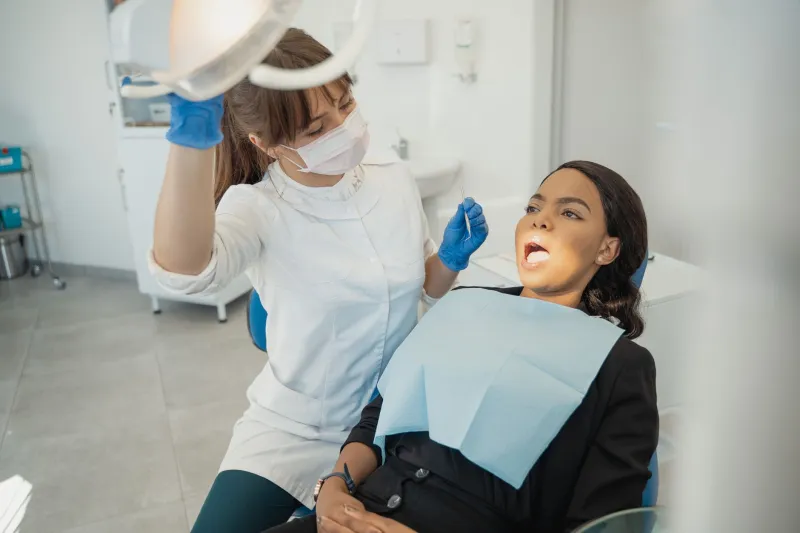
Pregnancy comes with a lot of firsts: the first midwife appointment, the first scan, the first time you fall asleep at 8pm on a Tuesday. Dental care is rarely at the top of the list. But your mouth does change during pregnancy, and a little knowledge can save you a lot of discomfort later. The good news is that in the UK, there is practical help built in. You just need to know where to look and what to say when you ring the practice.
The NHS entitlement worth knowing before the to-do list
In England, NHS dental treatment is free while you are pregnant and for 12 months after your baby is born. The other UK nations have their own arrangements, so it is worth checking with your practice or local health board if you are outside England. To claim, you usually need a maternity exemption certificate, often called a MATEX. You apply using your MATB1 form, which your midwife or GP can provide. If the certificate has not arrived yet, tell the reception team when you book. Ask what evidence they need and whether you can claim a refund if you pay up front. It sounds administrative, but it is a small bit of paperwork that protects your smile and your purse.
Not every dental practice has NHS appointments available, so ring early rather than waiting for a problem. When you book, say clearly that you are pregnant and how many weeks you are. That one sentence helps the team plan your appointment sensibly.
Why your gums might feel more sensitive
Pregnancy hormones increase blood flow to the gums, which can make them feel puffy and bleed when you brush or clean between your teeth. This is often called pregnancy gingivitis. It does not mean you have done anything wrong, but plaque makes it worse. So the answer is not to stop brushing the sore bits. Keep brushing twice a day with fluoride toothpaste, and clean between your teeth once a day with floss or interdental brushes. Be gentle but thorough. If your gums bleed heavily, feel painful, or one area becomes swollen, book a check-up rather than hoping it will settle.
Morning sickness, reflux and the enamel question
Stomach acid is tough on tooth enamel. If you are being sick often, or bringing up acid with reflux, try not to brush straight afterwards. Rinse your mouth with plain water, then wait at least 30 minutes before brushing with fluoride toothpaste. Brushing too soon can scrub softened enamel. Some people find a fluoride mouthwash helpful later in the day, but keep it separate from brushing time so you still get the benefit of your toothpaste. If brushing makes you gag, try a smaller brush head, a milder-tasting fluoride toothpaste, or brush in a different room. A quick brush is better than no brush.
What is safe at the dentist?
Check-ups, scale and polish, fillings and local anaesthetic are generally considered safe in pregnancy. Tell your dentist you are pregnant and how far along you are, and mention any medicines you are taking, including pregnancy vitamins and anything prescribed by your midwife or GP. Dental X-rays can usually be delayed if they are not urgent. If one is needed, the team will take sensible precautions. Do not skip treatment for pain or infection because you are pregnant; untreated problems can become more complicated. Routine cosmetic work, such as whitening, can normally wait until after pregnancy and breastfeeding. If you are unsure, ask. A good dental team would rather answer a question than have you sit at home worrying.
A low-effort routine for tired days
You do not need a perfect routine. You need a repeatable one. Brush last thing at night and at one other time in the day, for around two minutes, with fluoride toothpaste. Spit rather than rinse afterwards, so the fluoride stays on your teeth. If you manage to clean between your teeth, brilliant. If you do not, start again tomorrow. Keep your brush somewhere visible, and keep a spare in your bag if early starts make mornings chaotic.
Watch how often, rather than just how much, you eat sugary things. Pregnancy cravings are real, but constant snacking keeps teeth under pressure. Try to keep sweet treats to mealtimes where you can, and sip water rather than fizzy drinks or juice through the day. If you fancy a snack, cheese, plain yoghurt, nuts or vegetable sticks are kinder to teeth. Chewing sugar-free gum after food can help too.
When to ring the practice
Book a check-up if you have not been seen for a while, if your gums bleed regularly, if you have toothache, swelling, a loose tooth, or an ulcer that is not healing. Also ring if vomiting is frequent and you are worried about your teeth. At Battle Road Dental, we would much rather see you for a calm, routine appointment than for an emergency that could have been caught earlier. Bring your MATB1 or maternity exemption certificate if you have it, and remember that the free NHS window continues for 12 months after birth. That first year with a baby is busy, but a check-up is one appointment worth putting in the diary.