The Second Toothbrush: A Carer's Guide to Someone Else's Smile — and Your Own

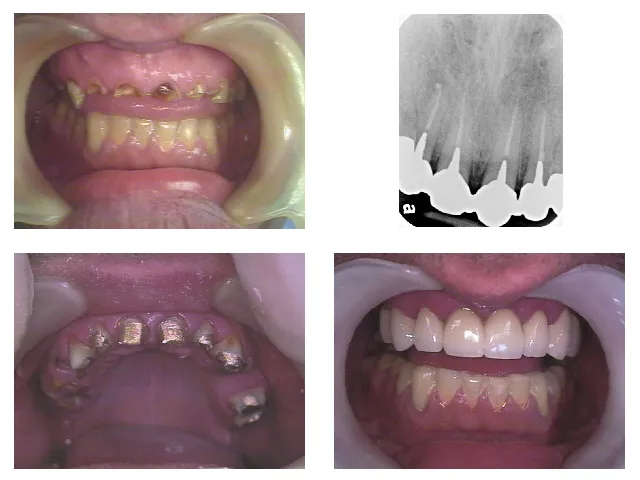
Photo: Globetrotter19, CC BY-SA 3.0, via Wikimedia Commons
Caring for someone else's mouth is intimate, unglamorous work. It rarely gets a mention in a carer's assessment, and it almost never gets a round of applause. But it matters enormously — not just for comfort and dignity, but because the mouth is often where the first signs of trouble show up. A sore gum, a wobbly denture or a mouth that's gone permanently dry can quietly change what someone eats, how they sleep and whether they smile at their grandchild's school photo.
This is a guide for the people doing that work in kitchens and bathrooms across the UK, usually at 7am, usually with one eye on the clock. It isn't a clinical protocol. Think of it as a set of practical habits, plus a reminder that the second toothbrush on the shelf — the one that belongs to you — deserves a look too.
Look first, brush second
Before you reach for the brush, take thirty seconds to look. Good light, a small torch if you have one, a gentle hand. Ask what feels normal and what doesn't, and don't be fobbed off with "it's fine" if it clearly isn't.
Things worth noticing:
- Red, shiny or swollen gums, or gums that bleed when brushed
- White or red patches that don't shift
- A denture that has started to rub, click or float
- Cracked corners of the mouth, or a coated tongue
- Food that's suddenly being refused, or a change in how someone chews
You're not diagnosing anything. You're gathering clues — and they'll be genuinely useful to a dentist later.
Dentures: clean them, rest them, check them
The two rules that matter most are simple: take dentures out at night, and give the gums a rest.
For cleaning, use a soft brush and either a dedicated denture cleanser or plain warm water with a little washing-up liquid. Skip ordinary toothpaste — it's too abrasive for denture acrylic and will scratch the surface, which gives bacteria somewhere to hide. Never use boiling water, and never soak metal-containing dentures in bleach-based products.
Check the fit gently with your finger. If a denture rocks, drops when the person speaks, or leaves a red mark on the gum, it needs looking at. Don't be tempted to fix it yourself with glue or a nail file — home repairs tend to make things worse and can cost more in the long run. In England, dentures sit in NHS Band 3 if you're going down the NHS route, and your practice can talk you through repairs and replacements. Most dentures benefit from a professional check every few years, since gums change shape as we age.
If the person wears dentures only some of the time, name it. Some people find a lower denture easier to manage with a small amount of fixative, and others do far better without it. It's worth a conversation rather than a guess.
Dry mouth: the quiet troublemaker
A dry mouth isn't just uncomfortable — with less saliva, teeth decay faster, dentures rub, swallowing gets harder and food loses its taste. It's also extremely common in older people and in anyone taking multiple medicines.
Typical culprits include diuretics, antidepressants, antihistamines, blood pressure tablets, painkillers and inhalers. Please don't stop or change anything without speaking to a GP or pharmacist — but do mention it. Sometimes a timing tweak or an alternative is possible.
In the meantime:
- Keep water within reach, day and night, and sip through the day
- Offer sugar-free gum or sugar-free boiled sweets if chewing is safe
- Ask the dentist about a high-fluoride toothpaste or a saliva substitute gel
- Avoid alcohol-based mouthwashes, which dry things out further
- Rinse the mouth with water after using an inhaler, especially a steroid one
Small changes, but they make a real difference to comfort.
Sores, patches and the three-week rule
Mouth ulcers are common and usually heal within a week or two. Anything that hasn't settled in three weeks should be looked at — by a dentist or GP, whichever you can reach sooner. The same goes for a white or red patch, a lump, or persistent numbness.
Bleeding gums deserve attention too, even in someone who has few teeth left. Gum disease doesn't retire just because the teeth have.
If swallowing, speaking or opening the mouth has changed, say so out loud at the appointment. It's exactly the kind of detail that helps.
Making the dental visit easier
A little preparation goes a long way:
- Book a longer slot if you can, and ask for a quiet time of day
- Mention when booking that the person is a carer's responsibility and may need extra time or a ground-floor room
- Bring a written list of medicines, including anything bought over the counter
- Bring the dentures, even if they're not being worn that day
- Tell the team about dementia, hearing loss, anxiety or mobility needs in advance — practices can usually adjust
- Ask about NHS charge exemptions; the rules are specific, and being over 60 doesn't automatically mean free dental treatment, though it does mean free prescriptions in England
Afterwards, write down what was said. Memory for instructions fades fast, and a two-line note on the fridge saves a lot of second-guessing.
And now the second toothbrush
Here's the bit carers often skip. Your own mouth is under extra strain: broken nights, rushed meals, more coffee, more sweet snacks for energy, jaw clenching from stress. Gum disease and decay don't pause because you're busy.
So: book your own check-up. Two minutes twice a day with a fluoride toothpaste, once a day between the teeth, and a hygienist visit when you can. If you're grinding at night, mention it. If your mouth is dry, mention that too.
In the UK, you're entitled to a carer's assessment from your local council, and it's worth asking — support with respite can be the difference between coping and crumbling. Your teeth are part of that picture.
A rhythm you can actually keep
Morning: dentures in, mouth rinsed, teeth brushed. After meals: a quick rinse and a check for trapped food. Evening: dentures out and soaking, gums cleaned with a soft brush, own teeth brushed last thing.
That's it. Not perfect, not every day, but a rhythm. If you look after someone else's smile, you're already doing something most people never see — and it's worth protecting yours while you're at it.
General information only. For advice about a specific person, speak to their dentist, GP or pharmacist.